
Skincare advice is everywhere. One person says you should wash your face three times a day, another insists oily skin does not need moisturiser, and social media somehow makes a 12-step routine look essential.
The truth is that good skincare does not need to be complicated. In many cases, the habits we follow without question could be doing more harm than good.
Let’s clear up five common skincare myths and look at what your skin may actually need.
5 Common skincare myths
Myth 1: Does oily skin really need moisturiser?
It is easy to assume that oily skin already has enough moisture. After all, why apply another product when your face is already shiny?
Oil and hydration, however, are not the same thing. Your skin can produce excess oil and still lack water.
Skipping moisturiser or using harsh products to dry out the skin may leave it feeling irritated and uncomfortable. Dermatologists generally recommend using a suitable moisturiser after cleansing, even when your skin is oily.
The key is choosing the right texture. A lightweight lotion will usually feel more comfortable than a heavy cream.
Aloe Unique’s Everyday Facial Lotion is formulated for all skin types and offers daily hydration without leaving a heavy, greasy feeling.
Your skin does not need to feel dry or tight to be properly cleansed. A balanced routine should leave it feeling comfortable, soft and refreshed.
Myth 2: Do you only need sunscreen on hot, sunny days?
A cool breeze or cloudy sky can make the South African sun feel less intense, but that does not mean ultraviolet radiation has disappeared.
UV rays can still reach your skin on overcast, windy and cooler days.
CANSA specifically warns that sun damage is caused by UV radiation rather than temperature, which means daily protection remains important even when it does not feel particularly hot outside.
Sunscreen should be the final step in your morning skincare routine. Apply it generously before sun exposure and reapply during the day, particularly when spending time outdoors, exercising or swimming.
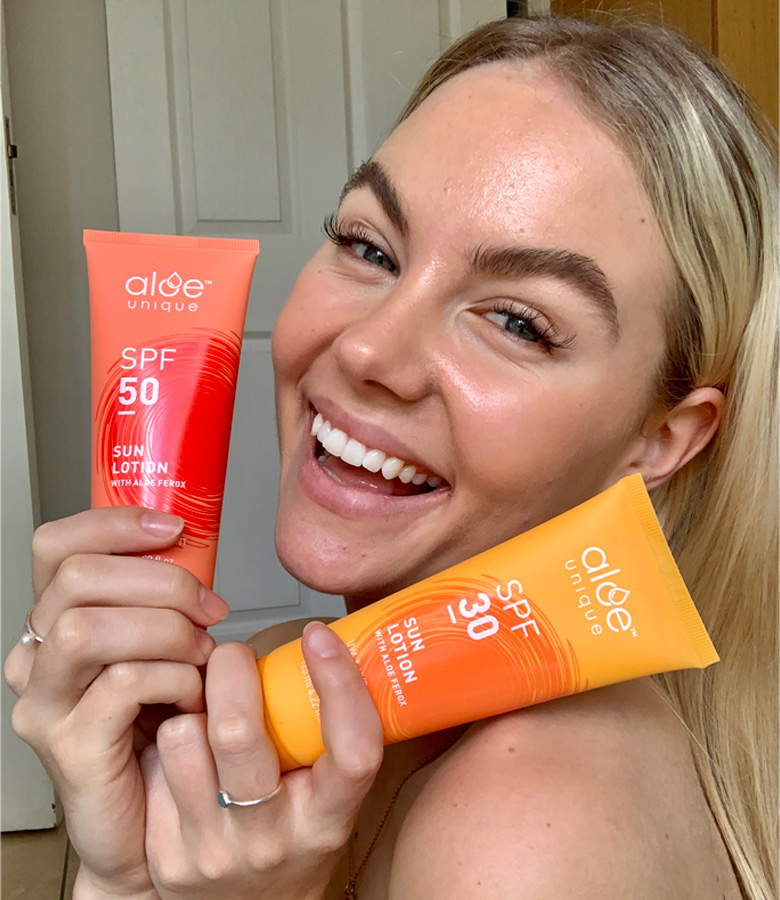
The Aloe Unique SPF 50 Sun Lotion can be applied to the face and neck after moisturising.
And no, sunscreen is not only a summer product. In South Africa’s sunny climate, it deserves a permanent place on the skincare shelf.
Myth 3: Will scrubbing harder give you cleaner skin?
That squeaky-clean feeling is not always a good sign.
Aggressively scrubbing your face can irritate the skin and may make redness, sensitivity and breakouts look worse. Acne is also not caused by simply having “dirty” skin, so trying to scrub spots away is unlikely to solve the problem.
Daily cleansing should be gentle. Use lukewarm water rather than very hot water, apply your cleanser with your fingertips and pat your face dry instead of rubbing it with a towel.
A cleanser such as Aloe Unique’s Gentle Facial Wash helps remove excess oil and impurities while containing ingredients selected to soothe and support the skin.
Exfoliation can still be useful, but more is not always better. The Exfoliating Facial Scrub is designed to be gently massaged onto damp skin two to three times per week. It should not be used on skin affected by rosacea, dermatitis or eczema.
Pay attention to how your skin responds. If it becomes red, sore, flaky or unusually sensitive, it may be time to exfoliate less often.
Myth 4: Do you need a complicated skincare routine?
A bathroom cabinet overflowing with products does not automatically lead to healthier skin.
Using too many products at once can make it difficult to work out what is helping, what is unnecessary and what may be causing irritation.
Introducing several active products at the same time can be particularly uncomfortable for sensitive skin. Dermatologists often recommend starting with one new product at a time rather than layering multiple new formulas together.
A straightforward everyday routine can be built around three essentials:
• Cleanse to remove sweat, oil, sunscreen and daily impurities.
• Moisturise to support hydration and keep the skin feeling comfortable.
• Protect with sunscreen during the day.
Once those basics are working well, you can introduce a toner, serum, mask or exfoliator according to your skin’s needs.
For additional hydration, Aloe Unique’s Age Defying Serum contains glycerine, sodium hyaluronate and Aloe Ferox leaf juice powder. It is applied after cleansing and toning, before facial oils or moisturiser.
A consistent three- or four-step routine will usually serve your skin better than an elaborate routine you only follow occasionally.
Myth 5: Can you permanently shrink your pores?
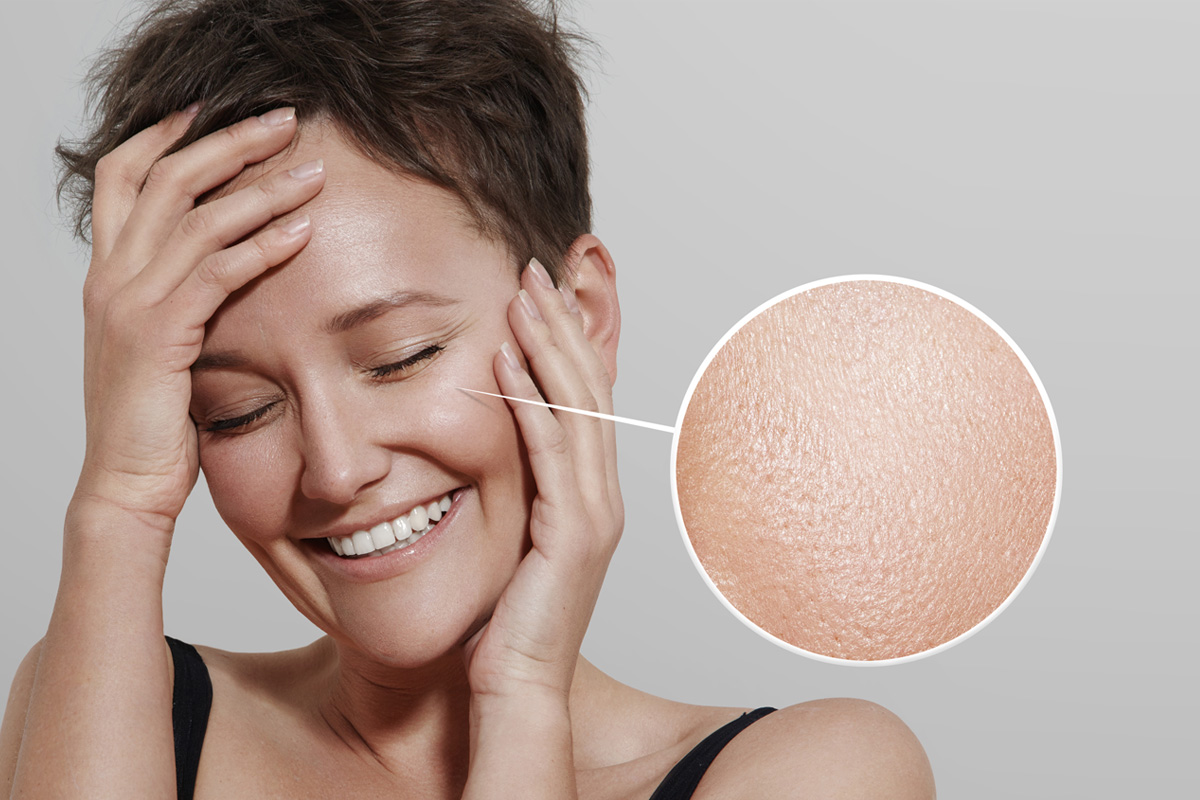
You may have seen skincare products promising to “close” or permanently shrink pores, but pores do not open and close like doors. Their size is largely influenced by genetics, skin type, age and oil production.
What you can do is make them look less noticeable.
When excess oil, dead skin cells and dirt build up inside pores, they can appear larger and more visible. Gentle cleansing and regular exfoliation can help keep the skin clear and improve its overall texture.
Avoid squeezing or aggressively scrubbing visible pores, as this can irritate the skin and make the area appear more noticeable. Instead, stick to a consistent routine that includes cleansing, moisturising and daily sun protection.
Using a gentle exfoliator such as Aloe Unique’s Exfoliating Facial Scrub two to three times a week may help remove dead skin cells and leave the skin looking smoother.
Be careful not to over-exfoliate, particularly if your skin is sensitive or easily irritated.
Pores are a normal and necessary part of healthy skin. The goal should not be to erase them, but to keep the skin balanced, clean and well cared for.
What does your skin actually need?
Healthy-looking skin rarely comes from chasing every trend. It comes from understanding your skin type, treating it gently and maintaining a routine that you can realistically follow.
Start with the basics:
• cleanse without stripping your skin
• moisturise according to your skin type
• protect your skin from the sun
Introduce additional products slowly and give your routine enough time to work.
Most importantly, listen to your skin.
If you experience ongoing acne, irritation, itching or inflammation, speak to a qualified dermatologist rather than trying to treat the concern with more products.
With the right information and fewer skincare myths standing in the way, building a routine that works can be simpler than you think.
0 Comments